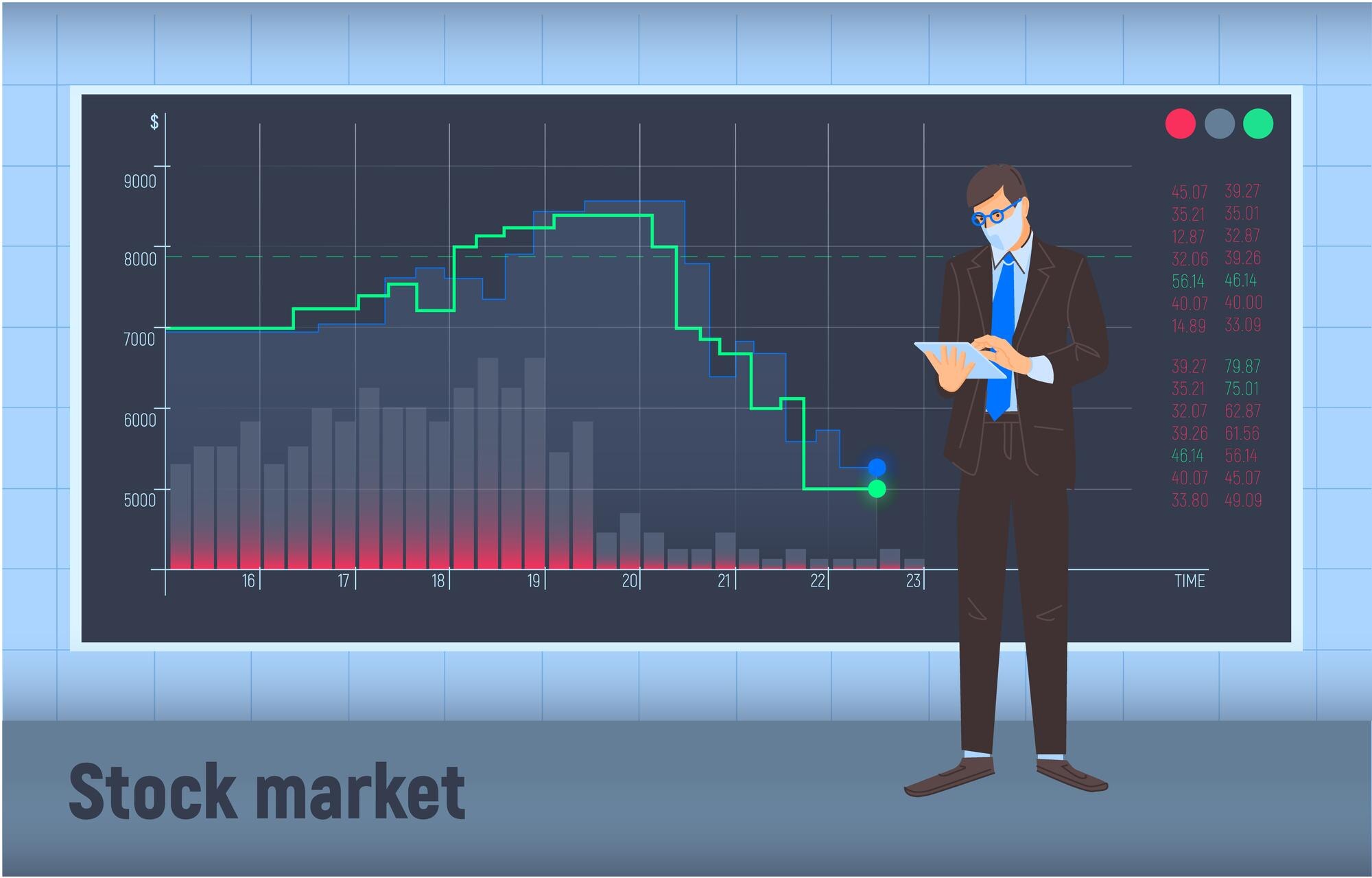
Supervisory dashboards in the cyber domain are too often designed to impress rather than to inform. Animated gauges, colorful charts, and “traffic-light” indicators may look modern, but they rarely help a supervisor decide what to do now. A genuinely useful Supervisor’s Cyber Dashboard should focus not on aesthetics, but on decision support. Its purpose is not to summarize the past but to shape immediate, informed supervisory action.
The Nowcast: Seeing What’s Breaking Now
The first and most essential pane of a supervisor’s cyber dashboard is the Nowcast — a live view of telemetry anomalies and the evolving incident timeline. Supervisors don’t have the luxury of waiting for end-of-day summaries or quarterly reports; they need immediate situational awareness. A well-designed Nowcast allows drill-down by financial market infrastructure (FMI), service line, or participant. When a payment gateway slows or a settlement queue spikes, the supervisor can see it as it happens, not as it’s explained later. In essence, this pane functions as the flight recorder of financial stability, allowing early intervention before an operational issue becomes a systemic event.
The Impact Lens: Quantifying the Consequences
Once an anomaly appears, the next question is: how bad is it? The Impact Lens converts technical disruptions into supervisory terms. It offers real-time estimates of payment or settlement backlog minutes, service unavailability, and affected critical functions. Instead of staring at a CPU metric, the supervisor sees an answer to the real question: how many payments are delayed, for how long, and who’s exposed? This translation of technical data into business impact is crucial for prioritizing responses and, when necessary, escalating to systemic risk oversight.
The Resilience Lens: Understanding Control Weaknesses
Resilience is not only about responding to incidents — it’s about understanding where the next one could break through. The Resilience Lens displays control gaps based on frameworks such as the Cyber Resilience Oversight Expectations (CROE) and the CPMI-IOSCO Principles for Financial Market Infrastructures. It highlights results from threat-led penetration testing (TLPT) and red-team exercises, together with trends in detection and containment times. Over time, this view reveals whether a firm or FMI is becoming more capable of resisting and recovering from attack — or quietly drifting into fragility. The focus is not on compliance ticks, but on the integrity of control under stress.
The Forward Look: Anticipating the Next Problem
Supervisors must not only react to current signals but anticipate the next likely disruption. The Forward Look pane aggregates leading indicators — such as repeated minor rejects at a single participant gateway — alongside scheduled major changes like system cutovers, patch windows, or participant migrations. By correlating weak operational signals with planned change activity, supervisors can identify points of elevated risk before the fact. This perspective transforms oversight from backward-looking evaluation to forward-looking preparedness.
Lessons from Practice
The Bank of Canada’s experience with dashboarded supervisory submissions demonstrates how structured, machine-readable inputs enable faster, more consistent analysis across FMIs. By receiving data feeds rather than static reports, supervisors can refresh their dashboards on demand and conduct cross-market diagnostics in near-real time. Similarly, the European Central Bank’s TARGET system telemetry shows how continuous operational signals — rather than narrative reporting — can highlight latent vulnerabilities before they cause disruption. Both cases underline the same principle: structured, live data enhances oversight precision and timeliness.
Supervisor’s cyber dashboard is about prioritization. It should tell supervisors where to focus their next call, which incident needs escalation, and which operator’s resilience posture warrants a deeper review. The value of the dashboard is measured by the speed and quality of supervisory decisions it enables. In the cyber era, oversight cannot depend on quarterly summaries or reactive memos. It needs dashboards that think like supervisors: direct, contextual, and unapologetically focused on action.
References
Bank of Canada. Cyber Resilience Oversight and FMI Data Submissions: Lessons from Dashboarded Reporting. Ottawa: Bank of Canada, 2023.
Committee on Payments and Market Infrastructures (CPMI) and International Organization of Securities Commissions (IOSCO). Guidance on Cyber Resilience for Financial Market Infrastructures. Basel: Bank for International Settlements, 2016.
European Central Bank. TARGET Services: Operational Performance and Telemetry Overview. Frankfurt: ECB, 2024.
European System of Central Banks (ESCB). Cyber Resilience Oversight Expectations (CROE). Frankfurt: ECB, 2018.


Leave a Reply